2010年7月30日金曜日

資料 story

Our Most Popular Articles


物語ー旅 夢
人生・世界の比喩、人生・世界の一つのあり方・モデルの提示して、
1)未知世界の情報提供、あるいは、
2)欲望の(疑似)充足、あるいは、
3)認識・行動の指針(いまのあり方などの強化あるいは、新しいあり方などの啓示)

(*疑似といえるかは議論あり。)

作者
作者とは、、
未知の世界を案内する案内人であり、
この世の見慣れた側面を強調、歪曲、削除、追加する制作者・視点でもあり、
夢を叶えてあげる魔法使いでもあり
生殺与奪の権限をもち、全知全能、試練と賞罰を与える神であり、
そして、
その想像され、創造された世界は世界の反映ではなく、作者の作ったある者の精神世界あるいは、世界観である。


読者は作者が創造した疑似世界に参加するとともに、第3者として視聴する2重な存在者である。


・・・・均衡→不均衡[事件≫問題・困難≫葛藤]→均衡(解消/成功・失敗)・・・・

・・・・見慣れた世界→(境界)→夢・新世界→(境界)→見慣れた世界・・・・
p155 キャラメ
その過程のなかのどこかの物理的・心理的情景の描写=夢・妄想
(従って、描写は見慣れた風景ではなく、見慣れた風景に関する夢)

その妄想の一端にもやもやしていた 自分ー世界 あるいは、自分ー世界のあるべき姿を見いだすとき人は共感し、感動するのではないか?


構造

ある日、あるところで、キャラ(たち)が
問題・事件に直面、
どうなった。


あるあり方(あるいは、感じ方・考え方・やり方)が他のあり方などと葛藤し、その結果、どういうあり方・もたらした。

裏から言えば、

あるあり方がどうしてそうなったかの由来。

物語には、変化とその主体がある。

さっちゃんが、公園にいった


では物語ではない。

さんちゃんも公園にいった


をくわえても物語にならない。

さっちゃんはブランコにのった
、あるいは、

二人は喧嘩した


公園にはひろくんがいた


となって始めて何かについての物語りがかすかに動き始める。

主体は、それぞれ

さっちゃん
さっちゃん、さんちゃん
公園


が候補となろう。


薬を届けに、走った、転けた、また、走った。間に合った。助かった。
薬を届けに、走った、転けた、また、走った。間に合わなかった。助からなかった。
薬を届けに、走った、転けた、怪我した。また、転けた、また、血が出た。
敵を討とうと、走った、転けた、また、走った。逃げられた。

主題は、
他人を思って、一生懸命頑張れば報われる。
利他行為は報われない。
目的地にたどり着くことは不可能である。


問題・困難

 不調和・不均衡

 不幸・不可解・不思議
特に、
 災難・病気・怪我・貧困・犯罪・(虐め・濡れ衣・犯罪者家族・・・)

成長[老衰・死・再生(子供→大人)] 愛別・憎会・求不得・

無際限な欲望など
七つの大罪 傲慢 嫉妬 憤怒 怠惰 強欲 暴食 色欲


プロット
濡れ衣を着せられた英雄が王国を救うためににでて、怪物と戦い、また、謎を挑戦され、をとき、奪われた財宝を奪還して、王国に還り、誤解を晴らし、王女と結婚して金持ちになる。


貴重なものを発見・獲得するため、脅威と戦い、誤解・謎を解きながら旅をして変貌する。


個人の内部
対人
対社会・制度・自然

キャラ

読者との関係で

(読者が同視する)主要キャラ vs 対照的・挑発・啓発・シャドーキャラ

高瀬舟


問題解決のための努力目標との関係で

主力
推進キャラ 阻止キャラ
支援キャラ 誘惑キャラ

ドロシー 悪い魔女
グリンダ 魔法使い

ルーク   帝国
オビワン  ダースベーダー


付属
信奉キャラ 懐疑キャラ
理性キャラ 感情キャラ

R2D2 + C3POーハン・ソロ
レイアーチューバッカ

トト ライオン
案山子 ティンマン


プロップ
p49 ストーリーメーカー
主人公
偽の主人公
敵対者
贈与者
助手
王と姫
派遣者
追跡者


グレマス

援助者ー送り手(王)

主人公ー対象(姫)

敵対者ー受け手(王子)
p43物語の体操

猟師 母親
赤頭巾 ワイン
狼   祖母

ワトソン 貴婦人
ホームズ 犯人
トリック ロンドン警視庁
p183 キャラクターメーカー


ボグラー

ヒーロー
賢者
門番
使者
変化する者
シャドー
トリックスター

情動喚起関係で

愛着対象キャラ・脅威キャラ
(との接近・逃走→情動)


物語の作成メモリスト
キャラ 
  (怪物・超人・凡人・馬鹿者・子供・友人・家族・・・)
再生過程・世界観・人生観の変遷
→子供→青年→老年→死→ 
→正→反→合
 
中心事件・行事(日常ルーティンから突出したこと)
  戦争・犯罪・濡れ衣・非行・喧嘩・災害・病気・怪我・・・
  年中行事(餅つき・クリスマス・家族旅行・・・・)人生行事(結婚式・葬式・卒業式・出産・・)

目標対象 追跡対象
  犯罪者・宝物・夫・勝利・愛・夫・女性性・子供の幸せ 

挑発感情
→恐怖・痛さ・嬉しさ(→可笑しい)エロス・・・・


結末
枢軸問題=キャラ(たち)の言動の展開の中心になる枢軸となる問題
共通 vs 私的
意識 vs 無意識
表層 vs 深層
外面 vs 内面
物理 vs 心理

枢軸問題・・・私的な問題

解決・・・・・幸福 (シンデレラ)→肯定

破綻・・・・・不幸(オセロ)→否定

解決・・・・・不幸(市民ケーン)→肯定<否定

破綻・・・・・幸福(レインマン)→否定<肯定

*個人問題がなく、枢軸問題だけ、枢軸問題がなく個人問題だけ、枢軸問題=個人問題の場合もある。

道程→結末


行為
思い・感情・目標状態実現欲求→行為→目標状態(意

行為の説明
傘をもってでた
1)欲求:濡れたくない
2)思い:雨が降っている。
    :傘をさせば濡れない。(手段ー目標連関)

スイッチを押した
1)欲求:明かりをつけたい
2)思い:スイッチをつければ明かりがつく

行動ー価値連関
~することによって○○する
○○すために~する。

爆弾をしかけることよって殺し、殺すことによって、復讐し、復讐することによって愛を貫徹する。

手段行動・態度→目標→目的→上位価値達成・喪失

勉強することによって合格し、怠けることよって不合格
対照によって価値の優位


結末があることによって、価値が実現される、喪失される。

逆に、上位価値によって下位の意味が変わる。


語り手と視点


誰の言葉か?
誰の認識か?


主題

物語に織り込まれている概念・一般命題

○キャラ(たち)のそのときのありかた、やりかた、関わりかた、動機、目的などは抽象概念を象徴する。

○その物語の主要キャラ・対照キャラその他の、あり方やり方の葛藤の結末を通じて、人間や人間関係・社会のどういった一般的特性・概念が強調されているか?

○そして、その事態のはじめと終わりの変化・無変化、主要キャラのある物事に対する認識の変化・無変化を通じて、焦点の当たっているあり方などについて、どのような判断(あるいは、問題提起(をしているか?

"When Greed vs. Generosity, Greed will result in Self Destruction while Generosity leads to Success." Now we have a premise full of potential conflict and a comparative conclusion that brings the audience to think, rather than to simply accept the inevitable.


○いくつかの主題を濃淡をつけて、交錯させ、織り込む

キャラの言動・もの・場所・風景・イベントなどが、強烈な印象を与える場合、特に繰り返される場合に、[愛・憎(心情)残酷・優しさ(態度)復讐・支配(関係)困難・容易(可能性)・美しさ・醜さ(美的)・尊さ・卑しさ(道義的)・・・・・・・)]などある観念を表す。


○ 愛憎・善悪・美醜・品・下品などの対照となるもの、対極となるものが、一人の個人の心の中で、あるいは、他人との関係で、あるいは社会の人々や制度とのあいで、あるいは、最初と結末との間で濃淡織りなされることで、作品の奥行き・深み・厚みができる。

○キャラ(たち)を結末に導き支配する観念・命題・動機と結末が統合的に暗示する命題


*道徳的とは限らない
→悪徳が栄えるNatural Born Killers

Natural Born Killers
From Wikipedia


Natural Born Killers
(1994)

By Jim Emerson


出来事・事態から物語りへ


出来事の継起
問題・事件の経緯・事情・結末
再編集


構成
ーーーいくつかの道程が主要事件ー結末に進展・収束する過程

3幕構成
Setup (of the location and characters)
Confrontation (with an obstacle)
Resolution (culminating in a climax and a dénouement).

設定(場所・キャラ)
葛藤(障害との対峙)
解決(クライマックス 結末)

4幕構成

MIDPOINT CLIMAX

- (60 minutes into a 2 hour movie, 200 pages into a 400 page book)

- Is a major shift in the dynamics of the story. Something huge will be revealed; something goes disastrously wrong; someone close to the hero/ine dies, intensifying her or his commitment.

- Can also be a huge defeat, which requires a recalculation and a new plan of attack.

- Completely changes the game and forces the hero/ine to develop a new game plan

- Locks the hero/ine into a situation or action

- Is a point of no return.

- Can be a “now it’s personal” loss

- Can be sex at 60 – the lovers finally get together, only to open up a whole new world of problems

- May start a TICKING CLOCK.

- The Midpoint is not necessarily just one scene – it can be a progression of scenes and revelations that include a climactic scene, a complete change of location, a major revelation, a major reversal – all or any combination of the above.


Midpoint

What's the midpoint in a screenplay? How about this...
Revelation
Reversal of fortune
Point of no return
Change of direction
Protagonist's full commitment to goal
Burning of the bridges
Could be a huge HIGH
Could be a huge LOW
Protagonist "thinks" he or she knows everything they need to know
Brings up a completely new Central Question
Protagonist ceases to be pushed around
Protagonist has a new plan
Protagonist begins the shedding his or her flaw(s)
Glimmer of hope for the Protagonist
Story Paradigms


You Cannot Avoid Screenplay Structure
Plot Points and the Inciting Incident
August 5, 2010


Four Acts, Not Three
August 11, 2010


あらすじ - ジョーズ


1 問題と出会い(躊躇しながら)
2 問題に対処し(後退しながら、追い詰められて)
3 問題の決着をつけ、
4 結末となる。

第1幕
背景・結末の発端→波及・巻き込み事件 
(どのように、キャラが主要事件に巻きこまれていったか?)
(問題に対するあり方・やり方 1)

第2幕
→葛藤・発展→ 転機事件(新発見・発覚・愛する人の死・逮捕など)
(なぜ、、キャラが後退せずに、主要事件解消へ向かったか、向かわざるえなくなったか?
(問題に対するあり方・やり方 2)

第3幕
Climax(窮地)→主要(決定的/解消)事件(決闘・決戦・全容解明・ひらめきなど)
(どのようにしてキャラは主要事件に追い込まれて、どのように、主要事件は起きいったか?)
(問題に対するあり方・やり方 3)

第4幕
→その結末→心境・余情
(その結末はどうなったか?)

((問題に対するあり方・やり方 4)


Save the cat
Miss Congeniality (film)
From Wikipedia
,
第1幕

はじまりイメージ
ー男とともにおてんば娘

主題
ー女らしくなくてよい、か?

設定

ー主たる登場人物たちの登場(同僚・上司など)
 幸福

冒険への誘い

ー爆発予告→ミス・アメリカ候補

躊躇・賛否
ーできる?

第2幕

はじまり
ー美しく変身

すったもんだ
ーショー

複線
ー他の候補との仲良し

第3幕

中間点(本線へ・見せかけの勝利・敗北)
ー新しい困難

悪役接近
ー本線の仲間割れ
ー悪の軍団の反撃

喪失(死の気配)
ー身分喪失

暗礁
ー候補としてもめちゃくちゃ

第4幕
はじまり
ー複線の仲間が支援

大詰め フィナーレ
ー美人コンテストで容疑者逮捕
ー屈強かつおんなっぽい

おわりのイメージ
ー女とともに、おんならしい


5幕構成

SCREENPLAY STRUCTURE

The Five Key Turning Points of All Successful Scripts


Erin Brockovich (film)
From Wikipedia


グラディエーター


 「序」  「破」   「急」
      /\  /\     /\
   「起」  「承」    「転」   「結」
   /\  /\  /\      /\
「発端」「葛藤」「危機」「クライマックス」「結末」
1時間のドラマは、ジャンルを問わず「5つ」に分けられるぞ
■刑事モノだったら
「発端」
 ・・・事件発生!
「葛藤」
 ・・・捜査をする!
「危機」
 ・・・行き詰まる(暗礁に乗り上げる)「壁」
「クライマックス」
 ・・・打開策…「ボス見えましたぜ」
「結末」
 ・・・解決!「逮捕」
2時間ドラマならば
「事件」「捜査」「暗礁」「打開策」「逮捕」しようとしたら、
逃げられたので「捜査」「暗礁」「打開策」「逮捕」・・・
とかやれば良い。

■恋愛ドラマ
「発端」
 ・・・出会い!
「葛藤」
 ・・・仲良くなる。
「危機」
 ・・・喧嘩、ぶつかりあい。
「クライマックス」
 ・・・距離を置く、別れる
「結末」
 ・・・仲直り

■難病もの
「発端」
 ・・・発病!
「葛藤」
 ・・・絶望!
「危機」
 ・・・慰め
「クライマックス」
 ・・・希望、立ち直り
「結末」
 ・・・「直った」か「亡くなった」かどっちか。

■サクセスストーリー
(ワーキング・ウーマン、巨人の星…)
「発端」
 ・・・挑戦する(花火を揚げる! 私は頑張るぞ!!)
「葛藤」
 ・・・努力!
「危機」
 ・・・挫折(努力はスグには報われない)
「クライマックス」
 ・・・克服打開策
「結末」
 ・・・達成解決!


今のだけ、覚えただけでもすごい武器になる。
「未だに間違っていない」って思っている。

1時間ドラマのサスペンスもの
「事件」「捜査」「暗礁」「打開策」「逮捕」
ならば、
2時間ドラマならば
「事件」「捜査」「暗礁」「打開策」「逮捕」しようとしたら、
逃げられたので「捜査」「暗礁」「打開策」「逮捕」・・・
とかやれば良い。

これを組み合わせれば、
「恋愛」「難病」「サクセス」ストーリーが出来る。


刑事もの  事件 捜査 暗礁 打開策 逮捕
恋愛もの  出会 喧嘩 別れ 打開策 仲直り
成功もの  欲望 努力 挫折 打開策 成功
難病もの  発病 否認 絶望 慰め  回復・死
ロス   否認 怒り 懇願 抑鬱 受容

問題→努力→窮地→発覚・発見・開眼→打開策
→成功(解決)
→失敗

失敗=問題→努力→窮地→発覚・発見・開眼→打開策→解決


成功→順調→問題→努力→窮地→発覚・発見・開眼→打開策

水戸黄門

茶屋の場面で、黄門さま一行登場。
・町娘が助けを求めて逃げてくる。
・町娘をかばって、助さんと格さんが活躍。
・満を持して黄門さま登場。
・おなじみのセリフ、だが、印籠を他のものと出し間違える。
・ベタですが、「欧米か」クラスのギャグは、素人劇団なら、許されます。
・黄門さまが、悪人に訳をたずねると、町娘が生き別れの娘であることがわかり、改心を約束する。
・ご当地を入れてみてください。もっと、ピンポイントでも。助さん「ご隠居、これで、(例)仙台にも、平和が戻りましたぞ」
・黄門さま、高笑い。
ちょっとした殺陣もお忘れなく


現状
大きな問題の核心=闇将軍 の徴候・縁にふれる→
大問題への入り口の出来事→対決の一端→対決→
解決
結末

中心問題の一端→
中心問題へ巻きこむ出来事→
新しいゲーム、新しい方法、新しい計画・戦術


→中心問題の決着をつける出来事→その結果

   情報収集→情報分析・行動計画→行動→成果


『バック・トゥ・ザ・フューチャー』の構造

東京物語
Τôκyô mοחοgatari (1953) 1/13


TOKYO STORY

Thoughts from Ozu
I tried to represent the collapse of the Japanese family system through showing children growing up. The melodramatic element in Tokyo Story is one of the strongest in my works.


As in The Only Son, the parents of Tokyo Story are not satisfied with their children's Tokyo. However, the dramatic tension and the confrontation between mother and son in The Only Son sink into the interior. They are softened by resignation and tolerance, and are confirmed and accepted. This change from seeking, to a conscious attitude, is probably due to the fact that Ozu had changed his point of view from the children's one to the parents' one, achieving maturity and harmony with the world, according to his own age. Ozu depicted the feast in his film as a transition of time. Of course, Ozu understands the meaning of the feast as change, that is, as transience. The morning after the loss of his wife, the old father Shukichi says: "That was a beautiful daybreak today," and "Today is going to be hot again." These lines were often discussed and interrupted. However, they should rather be considered as stock expressions.


Personal Thoughts and Comments
Widely considered among the greatest films in the history of Japanese cinema, Ozu's 1953 Tokyo Story stands as a true masterpiece of filmmaking. Tokyo Story is a reflective film about morals, selfishness, and youth's treatment (or mistreatment) of the elderly. But it's also a deeply moving love story, while never being manipulative or over-sentimental as Ozu achieves the most moving emotions through his trademark simplistic style. The film's final moments and images represent the power of love, and the need for human connection in a way that is unforgettably sad - captured through Ozu's masterful cinematic language and of course Setsuko Hara's stunning performance. Every single shot is beautifully and expressively composed and Tokyo Story may feature Ozu's most prominent use of his defining "pillow shots". At the core this is a film of the inevitability of lifes progression. This is expressed in both the changes of a postwar Japanese society and more specifically of the family. By presenting these daily life cycles and changes through generations of a family, Ozu has created a film that is widely universal. Ultimately the film poetically captures this in the end as the family has been destroyed and we come back full circle to where it began. Tokyo Story is one of the most moving films ever made. It understandings and complexities of human emotion and behavior is flawless and under the minimalist direction of Ozu's style as well as the superb performances by his cast, Tokyo Story emerges as one of the truly great film achievements in the history of world cinema. A classic film to cherish and to revisit.

Ηαkυchi (1951) 1/17
コント
設置
ボケ 間違い
ツッコミ 間違い指摘

間違い
場違い
やることがボケ
言ったことを勘違い
自分を何様と勘違い
・・・・


転回点事件
犠牲者がでる。
助っ人が現る


Character arc

複合的3段構成
価値変化
1正義
2不正

あ)正義・大正義
い)混沌・テロ

1平和
2戦争
3平和
 大戦争

1 一人
2 二人
3 
あ)一人
い)二人
う)三人


問題ー解決努力ー結末

0日常      起承

1問題(新局面) 転承

2解決努力(新局面)転承

3解決・失敗(最終局面)結


1 問題(事件発覚・発生)その一端と直面

1)問題エスカレート・先鋭化・波及
あ)無視・否定・過剰反応・抑鬱
2)妨害(by 人・もの・心)→行き詰まり・喪失・抑鬱
3)援助(by 人・もの・心)
い)引き受け(→解決努力)

2 解決努力

1)妨害(by 人・もの・心)→行き詰まり・喪失・抑鬱
2)援助(by 人・もの・心)→発覚・発見・発明・開眼・習得
3)打開策(→あ)解決努力 い)→結末)

3 結末

あ) 閉じられた結末
問題・疑問解消
a) 完全解決(対極の受け容れ)→順調→新問題発生)
b)失敗(→問題)
い)開かれた結末
未決の問題・疑問が残る。


葛藤・対照 A (vs B) →変化・無変化
1 A
2 A vs B
3 A or B or A/Bの調和=C

あ)A(の勝利)
い)B(の勝利)
う)A,Bの統合・調和


以上の過程のどこを見せるか、どの程度、どの順序で見せるか?
キャラは知らないが、神=作者は全知全能

問題の正体・危険源・邪魔・援助・真相について、キャラや視聴者・読者はしらない。
それをいつどこで、伏線をはっておくか?

1 一部
2 半分
3 全部

キャラは知らないが、視聴者・読者は知っている→スリラー

本線・伏線

1 本線
2 伏線
3 合流


人称
0)
(A)→X

1)YOU
(A)→B

2)私
A →A/B
B →B/A

4)我ー我
A×B →X/X'

5)THEY
 → A+B →X×X'


物語の視点

犯人について
第3者から見た犯人の言動
刑事からみた犯人の言動


刑事について
第3者から見た刑事の言動
犯人からみた刑事の言動


刑事と犯人について

第3者から見聞した刑事と犯人の絡み
刑事からそして犯人からみた絡み合う相手の姿

第3者=作者が読者に見せたいある者の視点
Xから=作者が読者に見せたいXの視点


視点を個性化する要因
選択されている対象
選択されている対象の側面

対象との距離・角度→文脈
信じられていること
動機
目的


二つのもの、あるいは勢力がごちゃごちゃやっている関係を
状態として、過程として
また、
同一化関係
差異化関係
恩恵(化)関係として
支配(化)関係として、
孤立(化)関係として、
結合(化)関係として、
補完(化)関係
競争(化)関係として、
協調関(化)係として
共存(化)関係として、
また、それを含む全体との関係で
全体ー部分関係として、
また、全体の中の位置付け


事件
刑事→犯罪者
犯罪者→刑事
全体→刑事×犯罪者+事件

刑事と連続殺人犯とどちらを主要キャラ=主人公にするかによって物語が変わる
連続殺人犯 →殺すことが目的
刑事→連続殺人犯を捕まえることが目的
全体 不均衡から均衡へ


加害者→虐めて困るのを楽しむのが目的
被害者→いじめをやめさせて、あるいはいじめから逃れて平穏な生活をするのが目的
共通の関心事ー虐め


行動・事件・意味・目的

戦争
1)AがBを侵略する
2)AとBがアジアの覇権を競い合う
3)1)かつ2)
4)Aが自存自衛のためにBを攻撃する。
5)AがBを救済・解放する

 「海のいのち」って要するにどんな話なのだろう。

1)尊敬する父親と同じ道を歩もうとする作品(漁師)

2)尊敬する父とは違う道を歩もうとする作品(クエを殺さない)

3)尊敬する父親を奪ったものを追い求める作品

4)さまざまな人に出会い、成長していく作品

5)自然の偉大さに触れる作品


意味
上位価値と視点によって事件の意味が変わる

上位価値によって、

1)悪党を駆逐することによって救済・解放する。
2)侵略することによってその地域での覇権を達成する。

視点によって

3)侵略されることによって尊厳を失う。
4)合流することによって国際的地位を向上させる。


。占領されることによって尊厳を失う。
侵略することによって覇権を得る。
悪党を駆逐することによって救済解放する


ひねり・曲折
裏切り・発覚・・・・

比喩
直接言わないで、類似する何か、あるいは、類似を利用して、それ以外の何か表現する。


象徴
具体的な何か、あるいは、何かと何かの関係が抽象概念を象徴する。

批評

内在的

外在的
→象徴
抑圧関係
性的
植民地主義的
男女的

2項関係

象徴

1)怪物=自身・分身 (精神分析系・読者反応系)
2)怪物=疎外される他者
あ)ひどい扱いをうけた人(道徳批評)
い)女性 (フェミ)
う)労働者(マル)
え)植民地(ポスコロ)
お)群衆

ヴィクター
=夫(伝記)
=プロメテウス


脱構築・ジェンダー
意味の決定不能
テキストが2項関係を分解
生と死の境界
創造者と被造者の関係の逆転


意味のある偶然


What's in Acts One,
Two and Three?

by Melanie Anne Phillips


結末
Plot Points and the Inciting Incident
August 5, 2010


Five Plot Point Breakdowns
How and Why Dramatica is Different from
Six Other Story Paradigms
by Chris Huntley

(Revised July 2007)

Four Acts, Not Three
August 11, 2010

n fiction, a plot point is a story event that spins the action around in a new, unexpected direction. Plot points serve to keep the action moving forward and the story fresh.


What is the Inciting Incident?
Plot Point I and The Inciting Incident: Always Remember the Difference
Jun 4th 2008, 08:16 PM 7 raters


As many of you know, a feature film screenplay is broadly divided into three acts:

1. The beginning (Setup) that is 22 to 30 pages long,
2. Middle (confrontation or conflict) that is about 60 pages long, and
3. End (Resolution) that is about 25 to 30 pages long.

But what most fresh screenwriters don’t seem to understand correctly and make a technical mistake in is the first act (the beginning or the setup) where their writing indicates their misunderstanding of the difference between the inciting incident and plot point I, the two major highs in the first act.

Let’s have a look at the definitions in order to make it easy for us to properly differentiate between the two screenplay elements and consequently be able to write Act I of our screenplays in the most effective way possible:

What is the Inciting Incident?

An inciting incident is the event that throws the everyday life of the protagonist out of balance. The event --

-- must NOT has to do anything with the will of the protagonist,

-- doesn’t necessarily have to be the reaction of something the protagonist did at the start of the screenplay, and

-- must NOT be the reaction of something the protagonist did in his life that existed before the start of the screenplay.


4コマ漫画
起承転結
「誰にでもできる!4コマ漫画の描き方」
1なんでもよい
2前の動きの継続 あたりまえのこと
3前にない変化
4裏切りー普通ならこうなるだろうにしない


立花屋流4コマ漫画の描き方
1状況設定
2状況でおきそうなことを始める
3とんでもないことが始まる
4意外な結末
「起承転結」をあてはめたのは誤りだったのではないか
起」→「承」→「承」→「転結」

[PDF] 4コマまんがの描き方
1事件のはじまり
2話が発展
3意外な出来事
4まとめ、おち、すべての意味がわかる、種明かし

4コマ漫画のオチ
4コマ漫画


設定


SCREENPLAY STRUCTURE

The Five Key Turning Points of All Successful Scripts


Here’s the Mid-Point defined: new information that enters the story squarely in the middle of it, that changes the contextual experience and understanding of either the reader, the hero, or both.


Theme: An Emotional Argument

by Melanie Anne Phillips
creator StoryWeaver, co-creator Dramatica

It is one thing to tell your audience, "Greed leads to self-destruction." It is another thing to prove it! Using a premise as the basis for your theme provides you with clear idea of what you hope to say, but it provides precious little guidance in how to say it.

Dramatica focuses on the Emotional Argument as the way to prove your point without resorting to cut-and-dried, ham-handed, generalizations and platitudes. Here’s how it works:

"Greed," in our example premise, does not really stand alone, but has a counter-point of "Generosity." Although the focus of our story will be on Greed, by also showing the contrasting impact of Generosity, we create a thematic conflict pitting point against counter-point.

In our story, act by act, we need to explore both point and counterpoint several times to see the relative worth of each. BUT, we should never compare both DIRECTLY. Rather, the thematic point should be explored on several occasions to see how it fares. Interwoven in other scenes or moments, the counterpoint needs to be separately explored to see how it fares on its own. As the story progresses, the audience will begin to tally-up the independent value of each, averaging its benefits with its drawbacks. By the end of the story, when all examples of the worth of both point and counter-point have been presented, the audience will arrive at an emotional conclusion that one is better than the other.

For example, Greed may seem to have a greatly negative impact in its first appearance, but slightly positive results in its second. A third appearance might see it as being neutral. Overall, the average of all three appearances rates it as slightly negative.

In contrast, Generosity might appear ALSO greatly negative at first, then highly positive, then slightly positive. In the end, it averages out as slightly positive. The conclusion for the audience is that Greed is somewhat worse than Generosity.

Emotions don’t see things as black and white. By avoiding the simple blanket statement made by a premise and "arguing" the relative worth of point and counter-point over the course of your story, you will create an "emotional argument" which will sway your audience to your point of view, rather than trying to hit it over the head.


その裏

読者への意外性への提供

AはXだ・した。

AはXでない・していない。
AはYだ・した
Xなのは・したのは、Bだ。

A=キャラ・解決法・態度・特性
B=キャラ・解決法・態度・特性
X=プラス  敵 味方・財宝・死んだ・狂った、など
Y=マイナス 味方、敵・危険源・生きている・正気、など

★★どんでん返しの原型10タイプ★★

(1)敵の正体はこいつだ、と思っていたら、実は、同じような立場のあいつだった!

(2)敵は「主人公の内部に巣食う恐怖」だと思っていたら「主人公の外部に存在する恐怖」だった。

(3)敵は「主人公が生み出した恐怖」だと思っていたら「主人公の外部に存在する恐怖」だった。

(4)敵は「主人公の外部に存在する恐怖」だと思っていたら「主人公の内部に巣食う恐怖」だった。

(5)敵は「主人公が生み出した恐怖」だと思っていたら「主人公の内部に巣食う恐怖」だった。

(6)敵は「主人公の外部に存在する恐怖」だと思っていたら「主人公が生み出した恐怖」だった。

(7)敵は「主人公の内部に巣食う恐怖」だと思っていたら「主人公が生み出した恐怖」だった。

(8)敵は死んだと思っていたら、実は死んでいなかった!

(9)目的は死んだと思っていたら、実は死んでいなかった!

(10)目的はどこか遠くにあると思っていたら実は主人公のそば(内側)にあった!


http://pikozoblog.blogspot.com/2008/06/blog-post_15.html


1 主人公の外部からやって来た存在
        →→→ドラキュラ
     2 主人公の内部に巣食う制御不能な存在
        →→→ジキルとハイド
     3 主人公が行った悪事が生み出した存在
        →→→フランケンシュタインの怪物

http://pikozoblog.blogspot.com/2008/01/09_13.html
どんでん返しにおけるドラキュラタイプ

    最初から悪として登場し、最後まで悪として倒れていく。
    そんなドラキュラタイプほどどんでん返しが仕掛けにくい敵は
    ありません。単純すぎてすぐに慣れてしまい、怖くないんです。

   ◆そこでよく使われるのが、隠れているもう一人のドラキュラ。
    最初のドラキュラの影に潜み、もっと残虐非道で狡知に長けています。
    最初のドラキュラを操っている場合もしばしば。

    この隠れている「本当の敵」は、主人公の仲間であったり、
    善良な被害者の顔をしていることが多いのです。

内部に潜む恐怖(狼男)
  ※主人公の中に潜んでいて、主人公のコントロールが及ばない。

 普段は善良な人間の内側におとなしく隠れていますが、満月になると
 体中に剛毛を生やした残虐なモンスターに変身します。
 主人公の内部にいて、しかも主人公の意志では制御不能なこの怪物は
 人間が自分自身に対して抱く恐怖を実体化したものだと言えます。

 類型:このタイプの敵の正体は、主人公自身です。
     主人公と肉体を共有する存在と言ってもいいでしょう。
     精神的には全く別人格です。自分勝手な動機に従って行動し、
     主人公の生活はそのカムフラージュに過ぎません。
     ただし、主人公はそのことを知りません。
     ●サイコ、その他の精神的な錯乱状態。
     ●寄生虫、憑依、などの他人格による乗っ取り。
     ●催眠術、薬物等による他者からのコントロール。
     つまり、「自分の中のもうひとりの人格」です。

     これを『組織』にあてはめると、さらに広がります。
     主人公がある組織で、
     その組織を代表する登場人物が「本当の敵」の場合です。
      ●組織の中の裏切り者による詐欺行為。
     ということになります。
     犯人の意外性を追及したい方にはオススメのキャラクタ―ですねえ。

     この「組織の中の狼男」という設定を使った作品には
     『シャドー81』という不滅の名作があります。

型:このタイプの敵の正体は、主人公が生み落とした存在です。
    主人公の過去そのものと言ってもいいでしょう。
    わかりやすく言えば、自分が殺した人間の幽霊みたいなものです。
    もしくは、主人公と本当の敵は一種の親子関係にあるわけです。
        ただし、「意識的に犯した悪事」でなければなりません。
    自分がはっきりと悪事を行ったことを認識していなければ
    フランケンシュタインとはなり得ません。

 役割:主人公が過去に悪事を働いた場合、
    フランケンシュタインの目的はおおむね「復讐」です。
    恨めしや~、なのです。怪談物には多い設定です。


死んでいたと思っていたが生きていた 花さかじいさんのポチ
生きていたとおもっていたのに死んでいた シックスセンス
遠くにあると思っていたらちかくにあった(青い鳥)
敵はAだとおもったらBだった。(


Happy Ending - The protagonist achieves the “outer” and “inner” goal. In other words, the hero gets the gold and becomes a better person.

Bittersweet - The protagonist achieves the “inner” goal, but fails to get the “outer” goal. In Rain Man, Charlie doesn’t get “ownership” of his brother, but he does grow from a self-centered narcissist to a more selfless brother.

Cautionary Tale - The protagonist gets the “outer” goal, but fails to achieve the “inner” transformation. In Citizen Kane, Charles Foster gets the power and wealth (outer), but dies empty and unfulfilled (“Rosebud” represented the innocence and joy of his childhood).

Tragic - The protagonist achieves neither the “inner” nor the “outer” goal, Leaving Las Vegas was, in my opinion, a tragedy (although, you could argue that the protagonist’s goal was to “drink himself to death” — which he did accomplish).
http://storyfanatic.com/articles/story-structure/of-tragedies-and-triumphs

A story is a argument


Winning isn’t everything, and these stories are meaningful representations of that reality. But serving up a downer ending should not be considered something to avoid. Looking beyond the success explored through character and plot in these stories is the success these films experienced when released to the general public. Two of them won Oscars for their masterful writing, while the third made over half a billion dollars at the box office. While the Main Characters of these films may have gone home sad, the filmmakers certainly did not.

Audiences appreciate and embrace these kinds of stories because they shed light on why things are the way they are. People crave these stories because they crave meaningful conclusions to their endeavors. The drive to win at any cost is something every audience member can recognize and empathize with and is one of the reasons why these films remain so powerful.

Simply put, a story with a meaningful ending helps to explain why.


http://storyfanatic.com/articles/story-structure/writing-the-personal-tragedy


A Matter of Perspective


Category:日本の民話


鬼退治
宝探し
立身出世
没落
勘違い・誤解→理解
再生

怪物を退治する
宝物を得る
帰ってくる
再生する
混乱がやむ(コメディー)
よくなる(のし上がる)
悪くなる


The Power of Myth


Sort By : Title | Author


The Ultra-Condensed Classic Books
Rationale:
Research shows that teaching students about the plan or structure of a story leads to improved comprehension (Trabasso & Bouchard, 2002; Armbruster, Lehr, & Osborn, 2001). The structure or plan of narrative text is often referred to as story grammar. Story grammar involves three basic elements: setting, plot, and theme. A story is set in motion through characters presented with problems that they must solve. To facilitate comprehension and memory of stories, students need to know about the general structure of stories. One tool, teachers can use to help students understand story grammar is the story map. Story maps are templates that provide students a concrete framework for identifying the elements of narrative stories.

The basic elements of a story map are:

Setting – when and where the story occurs
Characters - the most important players in a story
Problem/Conflict - the focal point around which the story is centered
Events - the attempts by the main character(s) to resolve the problem or conflict
Resolution/Solution/Conclusion - the outcome of the attempts to resolve the problem or conflict
Theme - main idea or moral of the story
How to Use the Strategy:
To effectively use the strategy, teachers should model how to identify story grammar elements. First, introduce the story map by explaining the importance of story grammar. Most stories have certain elements in common. Remind students that most stories have a beginning, which includes the time of the story, where it takes place, and introduces the main character(s). An event then sets a problem or conflict in motion, which is followed by attempts to reach the goal or resolve the conflict. Finally, the goal or conflict is resolved in some way and the main character(s) react to the outcome.

Next, model how to complete a story map. Questions can be used to guide discussion:

Setting – Where did the story occur? When did the story occur?
Character – Who is the story mainly about? Who is the main character?
Problem/Conflict – What major problem does the main character face? What does this character hope to achieve?
Events – What did the main characters do?
Resolution/Conclusion – Does the character solve the problem? How does the character solve the problem? Is the character defeated by the problem? Does the character learn to live with the problem? How did the story end? How did the main character feel?


Strategies for Reading Comprehension
History Frames/Story Maps


When looking at stories and novels, students are often asked to focus on the "elements" of story: setting, characters, plot, and theme, among others.
When we look at historical events, we're interested in the same things:
where and when did the event take place?
who was involved?
what was the problem or goal that set events in motion?
what were the key events?
how was it resolved?
and, for theme, so what? what's the universal truth, the reason this matters?
[For you science teachers our there who have stopped by this site, you might also consider taking advantage of the traditional story map (if your students are already using these maps in other classes) to have them write up their lab reports ... see the chart below.]
How Do These Frames & Maps Work?

Characters: Who are the people who were involved in this? Which ones played major roles, and which ones were minor?
Setting: Where and when did this event take place? Over what period of time?
Plot: This section is broken into three parts:
Problem/Goal: What set events in motion? What problem arose, or what were the key players after?
Events/Episodes: This is to get students to focus on summarizing...they focus on the key steps or events that capture the progress of the situation.
Resolution/Outcome: How was the problem solved? Was the goal attained? (It's probably pretty important to stress to students that they should go back to the problem or goal they identified in order to say how it was resolved or whether it was met.)
Theme. I think of this as the "so what?" of a history frame or story map. You might think of it as the universal truth or revelation, the larger meaning or importance, the moral, the "what we've learned from this," and so on. A wonderful teacher named Donna Feary suggested to me that the theme ought to be the way that a student relates the event to his own life, and we decided that perhaps the Theme can be divided into two components:
a universal truth
a personal truth
Seems like a good idea!


Dramatica


Literary Resources on the Net


Introduction to Modern Literary Theory


Purpose -- The intentions which any character has in a story
Whereas Motivation is the reason or emotion that the character must fulfill or satisfy, Purpose is the specific way he intends to do so. Sometimes a character will attempt to satiate his Motivation by achieving several Purposes, each of which does part of the job. Other times, a single Purpose can assuage multiple Motivations


星守る犬」が公開 「泣ける」コミックを映画化
2011.6.16 07:35 (2/2ページ)


クリックして拡大する
放浪中に、おとうさん(西田敏行、右)がレストランオーナー(三浦友和)に愛犬ハッピーを預けようとする=昨年8月、北海道石狩市の撮影現場

 現場には「実写化が楽しみ」という村上氏も訪れ、店の客として特別出演。本作のアイデアが浮かんだのは「十数年前に電光掲示板で偶然見かけたニュースがきっかけだった」と語る。

 「車内で男性と犬の死体が発見されたという内容で、『美しい自然に囲まれて最期を暮らしていたのなら、きっと幸せだったのかも…』と、ふと思った」

2010年7月27日火曜日

資料

千葉・裁判員裁判の判決要旨 

 覚せい剤取締法違反罪などに問われた男性を無罪とした千葉地裁の裁判員裁判の判決要旨は次の通り。

 ▽起訴内容と争点

 被告は氏名不詳者らと共謀し、営利目的で2009年11月1日、マレーシア・クアラルンプール国際空港で成田空港行き航空機に搭乗する際、覚せい剤1キロ弱をビニール袋3袋に小分けしてチョコレート缶3個に収納、ボストンバッグに隠して積み込み、成田空港内の検査場で覚せい剤を携帯しているのに申告しないまま通過しようとした。

 被告が缶内に覚せい剤が隠されていることを知っていたかが争点。

 ▽判断

 (1)被告はチョコレート缶は土産として他人に渡すように頼まれて預かったと述べ、この言い分が作り話とはいえない。缶はふたの部分が密封され、内容物を外側から確認できず、税関検査でも開封された様子がなく、普通の缶と区別がつかなかった。

 自分で缶をバッグに入れて持ち込んだことから、直ちに薬物が隠されていたことを当然分かっていたとまではいえない。

 (2)関係証拠から、被告は30万円の報酬を約束され、航空運賃を負担してもらい、荷物を日本に持ち込むよう委託を受けたと認められる。

 被告は、委託者から偽造旅券を日本に持ち込むよう告げられ、そのために費用負担していると思っていたと述べている。

 検察官は、多額の費用負担をしてまで偽造旅券を持ち込む必要性がないと主張する。しかし、被告が、偽造旅券が費用に見合う価値がないと理解していたと認めるに足る証拠はない。委託者が費用負担したから、委託された物が薬物と分かったはずとまではいえない。

 被告に缶の内容物を告げなくとも、偽造旅券とともに土産として覚せい剤の回収が可能だったと考えられ、委託者が被告に缶に覚せい剤が存在すると告げていたとまでは認められない。

 (3)缶や覚せい剤の重量に照らしても、缶を持っただけで重量感からチョコレート以外の物が隠されていると気づくはずとは到底いえない。

 (4)検察官は、税関検査で当初預かり物はないとうそをついたのは覚せい剤の発見を免れるためと主張するが、通常の旅行者でも預かり物を正直に申告して厳密な検査を受けることを煩わしく思い、預かり物はないとうそをつくことはあり得る。偽造旅券の発見を免れるためうそをついたとも考えられる。

 (5)検察官は、被告は当初「見知らぬ外国人からチョコレート缶を預かった。麻薬などが入っていないか確認した」と述べ、その後「偽造旅券を受け取るよう頼まれて知り合った人物からチョコレート缶を受け取った。覚せい剤など危険なものではないか確認した」と述べるなど供述が二転三転し、信用できないと主張する。

 しかし、バッグを機内預託手荷物として預けた際には、缶に違法薬物が入っていることを知らなかったという点では一貫していたと認められる。

 被告は、偽造旅券が入った黒いビニール袋を税関職員の目につきにくいバッグの底の方に入れていたにもかかわらず、缶は目につきやすいバッグの最上部に収納、検査を求められると承諾した。

 缶に違法薬物が入っていることを知らなかったと言い逃れる手段として、偽造旅券も運び込んだ可能性があることは否定できない。しかし、単なる可能性のレベルを超えて、缶の収納状況や検査時の態度が言い逃れの手段として演出されたことが証拠上、常識的に考えて間違いないとまではいい切れない。

 ▽結論

 被告がチョコレート缶を受け取った際、中に違法薬物が隠されているかもしれないと思った事実は認められるが、機内預託手荷物として預けるまでの間に、その不安が除かれたとの言い分は排斥できない。違法薬物が隠されていると知っていたことが、常識に照らして間違いないとまでは認められない。犯罪の証明がなく、無罪。

2010/06/22 14:02 【共同通信】


裁判員裁判:初の全面無罪 「疑わしきは罰せず」原則を忠実に

 <分析>

 ◇求められる綿密な捜査、立証
 覚せい剤密輸事件に対する22日の千葉地裁判決は、裁判員裁判で全国初の無罪を言い渡した。被告が覚せい剤と認識して持ち込んだことを直接的に示す証拠はなく、検察側は状況証拠で立証を図ったが、一般市民が加わった判断は「疑わしきは被告の利益に」という刑事裁判の原則に忠実に従った。人を裁く場に直面した市民らの慎重さが表れたと言えるが、捜査当局はより綿密な捜査、立証を迫られている。【北村和巳、駒木智一】

 「控室で『完全に有罪と言い切れないなら無罪』と知った。こうしたルールを守らないといけないんだなと認識させられた」。判決後に千葉市内であった記者会見で、裁判員の男性会社員は語った。

 審理した6人のうち男性2人、女性3人が会見し「黒に近い灰色というイメージだった」と述べた裁判員もいたが、判決は「犯罪の証明がない」と結論づけた。

 相模原市の会社役員、安西喜久夫被告(59)は覚せい剤計約1キロの入ったチョコレート缶三つを成田空港に持ち込んだとして起訴されたが、「中身は知らなかった」と否認。検察側は(1)依頼者側が30万円の報酬を約束し、航空運賃も負担した(2)缶が不自然に重い(3)税関検査で発見されても平然としていた--などから覚せい剤と知っていたはずと主張した。

 しかし判決は▽被告が「偽造旅券を運ぶ報酬」と話している▽重量感から覚せい剤に気付くとは言えない▽動揺が表情に表れる程度は人によって異なる--などと退けた。

 裁判員たちは会見で「確実な立証は一つもないと言える状況」「この人がやったと言いきれる客観的な証拠がなかった」と相次ぎ検察側立証を批判。缶の重さについて裁判員の一人は「300グラムくらいの違いは分からない」と一般常識を強調し、証人の少なさを指摘したり税関検査の撮影を求める声もあった。

 男性裁判員の一人は「検察に『もっと頑張れ』という気持ち。サッカーで言えば(弁護側の)守りがよかったのではなく(検察側の)攻めが弱かった」と努力不足を指摘した。

 被告が覚せい剤密輸の認識を否認する事件では、これまでも持ち込んだ経緯や発見時の様子などで立証され裁判官による裁判で無罪になるケースはほとんどなかった。千葉地裁では総務課によると、全国最多71件(22日現在)の裁判員裁判判決のうち、32件が覚せい剤取締法違反事件で、いずれも実刑だった。

 ある刑事裁判官は「プロの裁判官と裁判員の判断に違いはないはず」と言うが、検察関係者は「一般的に証拠が薄いが、裁判官は密輸の実情を理解して有罪認定してくれていたところがある。裁判員裁判ではいつか無罪は出ると思っていた。今回は証拠はある方だったが、厳しい判断だ」と話した。ある検察幹部は「影響は大きい」と裁判員裁判で初の控訴を検討する意向を示した。

 一方、判決後に釈放された安西被告も会見し「正しい判断をしていただき、ありがたい」と喜んだ。浦崎寛泰弁護士は「裁判員裁判への信頼の向上という点で歴史的意義がある」と評価した。

 今月9日には、強盗致傷、詐欺罪などに問われた被告の裁判員裁判で、東京地裁立川支部が一部無罪を言い渡している。共謀したとされる少年らの証言の信用性を否定し、裁判員からは「証拠がない」「警察、検察の捜査が甘かった」との指摘が相次いだ。

 裁判員制度開始から1年が経過し、今後は被告が本格的に無罪主張する事件の審理も相次ぐ見込み。裁判員裁判は、捜査当局に改めて緻密(ちみつ)で説得力のある証拠収集と立証を求めている。


毎日新聞 2010年6月23日 東京朝刊

プロによる「証拠評価」で有罪期待 裁判員裁判で初控訴の検察
2010.7.5 22:39 産経

 国民がかかわった判断に対して、千葉地検が控訴に踏み切った背景には、直接証拠が少ない今回の事件で、プロの裁判官に間接証拠の評価を委ねて有罪を得たいという考えと、無罪が確定すれば同種犯罪の摘発に影響し、立証のハードルが上がりかねないという判断があったとみられる。
 成田など空港で薬物が見つかる事件は、捜査関係者から「成田事件」と呼ばれ、ほとんどが否認の上、直接証拠に乏しく立証が困難とされてきた。今回の事件でも被告は「違法な薬物を運んだ認識がなかった」と主張。裁判員から「犯行を裏付ける客観的な証拠が欠けていた」などと指摘する声が相次いでいた。
 ある検察幹部は「これまでプロ同士、阿(あ)吽(うん)の呼吸でやっていたが、裁判員裁判では証拠の意味づけや、密輸事件の実情を説明する必要がある。状況証拠をうまく組み立てなければ」と、裁判員相手の難しさを説明する。
 国民感覚が反映された裁判員制度のもとでは、1審判決を尊重すべきだという見解で検察や裁判所は一致している。だが今回、「控訴権を行使しないのは職務に対する背信」(別の検察幹部)と控訴した検察は、事実認定の誤りを主張していくことになる。
 ただ、最高裁司法研修所が裁判員制度下の控訴審で判決を破棄できる例として、争点や証拠の整理が不適切▽結論に重大な影響を及ぼすことが明らかな証拠を調べていない-などを挙げているように、裁判員裁判の判断を覆すことは、そう簡単ではなさそうだ。
 裁判員裁判の1審判決を控訴審が破棄することは、よほど不合理な場合に限られるという流れのなか、東京高裁では、事実認定が真っ向から争われる。検察がどのような主張を展開するかは、裁判員制度のもとでの控訴審のあり方に影響を与えそうだ。

空き巣放火の裁判員裁判「放火は無罪」 東京地裁判決

2010年7月8日16時34分
印刷

 空き巣に入り現金を盗み、室内に放火したとして住居侵入と窃盗、現住建造物等放火の罪に問われた無職岡本一義被告(40)の裁判員裁判で、東京地裁は8日、放火罪の成立は認定せず事実上の「無罪」としたうえで、他の罪について懲役1年6カ月(求刑懲役7年)の実刑判決を言い渡した。

 河合健司裁判長は「被告を放火の犯人とするには合理的な疑問が残る」と述べた。

 岡本被告は2009年9月8日、東京都葛飾区のアパートの一室に窓ガラスを割って侵入し、現金千円を盗んだうえ、石油ストーブ内の灯油をまいて火をつけ、約1平方メートルを焼損させたとして起訴された。被告は室内に侵入して現金を盗んだことは認めたが、放火は物的証拠がなく、被告も否認していた。

 判決は住居侵入と窃盗の罪の成立は認めたうえで、「被告が侵入して立ち去った後、被告以外の第三者が何らかの動機で放火に及んだ可能性を完全に否定することができない」と述べた。

 別の北海道釧路市内での住居侵入と窃盗罪についても有罪とした。


放火無罪の裁判員裁判、「事実誤り」と検察控訴へ
 盗み目的で侵入したアパートに放火したとして、現住建造物等放火罪などに問われた無職岡本一義被告(40)について、同罪の成立を認めず、窃盗と住居侵入罪で懲役1年6月(求刑・懲役7年)とした東京地裁の裁判員裁判の判決について、東京地検は16日、「事実認定に誤りがある上、訴訟手続きに法令違反があった」として、東京高裁に控訴する方針を固めた。


 週明けに上級庁と協議し、最終的に判断する。裁判員裁判で、検察側による控訴は2例目となる。

 岡本被告は昨年9月、東京都葛飾区のアパートに侵入して現金1000円を盗み、灯油を床にまいて放火したなどとして起訴された。8日の判決は、岡本被告が「放火の犯人である可能性はかなり高い」としながらも、「第三者が侵入して放火した可能性を否定できない」とした。

 検察側は公判で、同様の手口による放火の前科があることを示そうとしたが、同地裁は「裁判員の予断を生む」として認めなかった。東京地検は〈1〉第三者が侵入した形跡はなく、侵入の可能性があるとした認定は誤り〈2〉放火の間接証拠である前科を証拠から排除したのは法令違反――とした。

(2010年7月17日13時09分 読売新聞)


裁判員裁判:放火無罪判断、検察側が控訴--全国2例目

 現住建造物等放火や窃盗罪などに問われた無職、岡本一義被告(40)に対し、裁判員裁判で放火を無罪と判断した東京地裁判決(今月8日)について、東京地検は21日、控訴した。判決が「被告以外の第三者が放火した可能性を否定できない」とした点について、事実誤認を主張するとみられる。裁判員裁判の判決に対する検察側控訴は全国で2例目。

 被告が放火したことを示す直接証拠はなく、検察側は冒頭陳述などで空き巣に入った先で放火した前科を指摘しようとしたが「裁判員に予断を与える」と認められなかった。検察側は、こうした訴訟指揮については訴訟手続きの法令違反を主張するとみられる。

 岡本被告は09年9月8日、東京都葛飾区のアパートに侵入して現金1000円を盗み、室内に灯油をまいて火をつけ約1平方メートルを焼いたとして起訴された。【伊藤直孝】

毎日新聞 2010年7月22日 東京朝刊


裁判員裁判:「放火は無罪」判断 「第三者の可能性」

 アパートに空き巣に入り放火したとして現住建造物等放火や窃盗などの罪に問われた無職、岡本一義被告(40)の裁判員裁判で、東京地裁(河合健司裁判長)は8日、放火について無罪と判断し懲役1年6月(求刑・懲役7年)を言い渡した。判決は「第三者が放火した可能性を否定できない」と述べた。検察側は控訴に向け検討を始めた。

 裁判で岡本被告は放火を否認。被告による放火を直接的に示す証拠はなく、検察側は冒頭陳述や被告人質問で空き巣に入った先で放火した前科を指摘しようとしたが、河合裁判長は「裁判員に予断を与える」との弁護側異議を認め制止していた。判決後、男性裁判員(29)は会見で「前科は検察側主張のメーンだったのだろう。証拠として検討されれば結論は違ったかもしれない」と感想を語った。

 岡本被告は空き巣に入って現金を盗み、その場でカップめんを食べたと認め、判決は「被告が放火犯である可能性はかなり高い」と指摘した。しかし、出火は被害者の外出から5時間20分後で、出火当時は玄関のカギが開いていたことなどから「その後の第三者の侵入を想定できないとまで言えない」と結論づけた。

 岡本被告は09年9月8日、東京都葛飾区のアパート1室に侵入して現金1000円を盗み、室内に灯油をまいて火をつけ約1平方メートルを焼いたとして起訴された。【伊藤直孝】

 ◇前科で立証の適否、上級審で争う公算
 河合裁判長は、検察側が放火の間接証拠として提出しようとした同種前科の判決文を公判前整理手続きで却下した。法廷での制止を含め、一貫して「裁判員に予断を与えない」姿勢を強調した訴訟指揮だったと言える。

 前科による立証を巡っては「被告の悪質性を立証する質問で触れることは許される」との最高裁判例があるが、起訴内容の立証に使うことは大審院(最高裁の前身)判例が禁じている。ただし、特殊な手口の犯罪なら例外として許されると解釈する学説があり、地・高裁レベルでも同様の判断が出ている。

 河合裁判長は今回、「窃盗後の放火は特殊手口ではない」と判断。被告人質問を(1)起訴内容の立証関係(2)悪質さなど情状面関係--に分けて行い、(1)で検察側が前科に触れると弁護側の異議を認めて質問を変えさせた。

 これに対し検察側は法廷で「訴訟手続きの法令違反」と強く反発。ある幹部は「前科に触れただけで質問を制止するのは、前科立証の基準を事実上厳しくするもの」と話す。判例の扱いも含め、立証の在り方が上級審で改めて争われる公算が大きい。【伊藤直孝】

毎日新聞 2010年7月9日 

2010年7月26日月曜日

おおきいはな

おおきいはな、と言っても、
Blooming flower attracts thousands in Japan
この大きい花ではなく、

大きい鼻

コメント欄

Unknown (Aki)
2010-07-26 07:10:54
ジャパンプローブのコメント欄で、外国人犯罪に関するニュースを読み上げているNHKのアナウンサーについて、「100%の日本人とは思えない」と言っている人がいますね。外国人の、日本人の外見に対する紋切型な見方が現れているようで、面白いと思いました。

http://www.japanprobe.com/2010/07/24/japanese-police-report-warns-of-foreign-crime/#comment-404369

>>Comment by Rob A
>>2010-07-24 21:13:56
>>
>>I find this hilarious evidence of Japan’s xenophobia, considering this reporter dude looks far from 100% Japanese.

言われてみると、ニュースを読み上げているアナウンサーはちょっと鼻が大きめかなとも思いますが、日本人から見ると、日本人のバリエーションの中におさまっていると思います。先日亡くなった数学者の森毅さんに似てなくもない。

http://www.asahi.com/obituaries/update/0725/OSK201007250090.html

有道さんには、以前のリトルイエロージャップの時みたいに、鼻の小さな日本人のパロディー画でも描いてほしいところですね。何が言いたいのか誰にも理解できないでしょうが、そのわけのわからなさが微妙に面白そうでもあるので。


というわけで


また、先ほどの漫画・アニメの日本人キャラも参照。


2010年7月24日土曜日

全身を隠す水着 他


Greater Switzerland just might take off
22 July 2010 GAZETA WYBORCZA


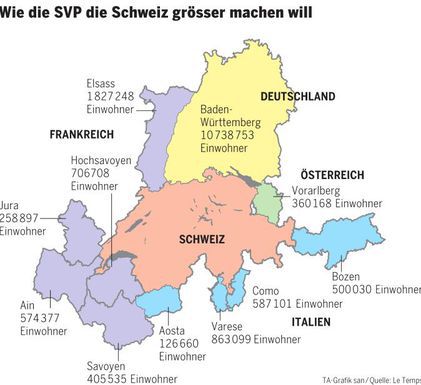
The Swiss far-right wants to expand the country by annexing German, French, Austrian and Italian border regions, reports Gazeta Wyborcza. The Swiss People’s Party (SVP) floated the idea in June but only now has submitted a draft proposal calling for necessary changes to the constitution to make the enlargement possible. The regions in question are the German state of Baden Württemberg, French departments Alsace, Savoy, Jura and Ain, Italian provinces Aosta, Como, Varese and Bozen and the Austrian province of Vorarlberg.

If the SVP plan were implemented, Switzerland’s population would increase by 17 million (it currently stands at 7 million) with Stuttgart becoming its largest city. “We should facilitate integration of these regions which are suffering under the rule of the European political class that has no interest in them whatsoever. Their citizens have been looking jealously at our self-governing state and long for a democracy with human face”, explain SVP politicians.

The Swiss authorities have not commented on the proposal which nevertheless caused much glee in the German embassy in Bern. Its employees are said to have been wondering when the Swiss will “start demanding access to the sea”. Their good humours disappeared at seeing the results of a poll conducted by the Swiss weekly Weltwoche. It showed that 63% of nearly 1,800 German, Italian and Austrian polled living in the border regions said they were in favour of joining Switzerland. Hardly surprising considering the fact that salaries in Switzerland are much higher than in, for example, Germany and that Germans already constitute a majority of lecturers at many Swiss universities.


スイスの極右がフランスドイツイタリアなどの国境地帯をスイスに併合する案を検討している、と。そうした方が賃金も高くなるからということで、賛成している住民も多い、と。


What Recession? BrewDog -- The $775 Beer Bottle
Check out these expensive items for the rich.

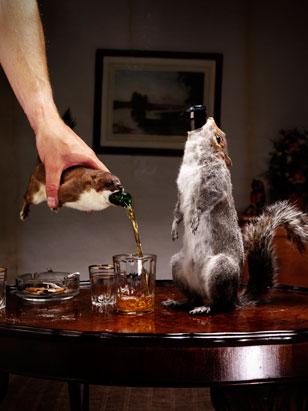
BrewDog, an independent Scottish brewery, has unveiled the strongest and most expensive beer in the world -- The End of History -- available now UK. It is 55 percent alcohol and sells for $775 a bottle. The blond Belgian is infused with nettles and juniper berries and served from unique bottles made with stuffed animals dressed in eccentric outfits. Just 12 bespoke bottles have been produced, using seven dead stoats, four squirrels and one hare. (Courtesy BrewDog)


 スコットランドの775ドルのビール。ビールは動物の剥製でできているというが、これは趣味が悪い、と日本人のぼくなんか思っちゃう。


FRIDAY, JULY 23, 2010
US-UK rift over Lockerbie release


The Scottish minister who released the Lockerbie bomber has refused to appear before a US senate committee to explain his decision, deepening a transatlantic rift between the US and Britain over the case.

US senators have issued formal requests for two British ministers to appear at a hearing in Washington to examine the decision making process leading up to Abdelbasset al-Megrahi's release in August last year


 米国の上院議員が、スコットランドとイギリスの大臣をテロリスト解放について、問い質すために米国の議会に招聘。スコットランドの大臣は断った、と。
 ヒエー、プードルはつらいよ、といったところか?


「核抑止力に基づき報復聖戦」北朝鮮、米韓演習に警告

2010年7月24日

 
 ということだが、

23 July 2010
North Korea warns of nuclear 'sacred war
'

 米国は、

In response, the White House said it was not interested in a "war of words" with North Korea.

 
 言葉の戦争には興味ない、と冷たい。

China warning

China has criticised the plans and warned against any action which might "exacerbate regional tensions".


 中国は地域の緊張の悪化を警告している。


 ここらへん、脅威をどう評価するか、難しいところ。


アフガン会議 支援とともに監視が必要だ(7月24日付・読売社説)

日本も09年から5年間で50億ドルの支援を約束した。日本を含めた支援国は、援助資金が適切に使われるよう、厳しく監視していく必要がある


 金だすだけ、声援贈るだけではだめ、ということは、核問題、マグロ問題、慰安婦問題、その他でも同じ。

 監視、報告、指導、といった国際的な地位を確保したい。


Two Muslim women thrown out of pool for wearing 'burkinis'
Two Muslim women were ordered to leave a swimming pool in a French holiday village on the southwest coast for wearing body-covering "burkinis".

Henry Samuel in Paris
Published: 2:57PM BST 22 Jul 2010


 フランス、写真のようにイスラム女性が、全身を隠した水着をつけてはいったら追い出された、と。


In this case, the women at the Rives des Corbieres holiday camp were told to leave as they had breached the camp's rules allowing only conventional bikinis or one-piece swimsuits "for hygiene reasons".


 衛生上の理由だと言うが、この理由付けはちょっとあやしい。


THURSDAY, JULY 22, 2010
Essen: German students bullied by Muslims


Often they're ridiculed, often they're even beaten. In class barely anybody speaks to them, they keep back, rarely voice their opinion - in short, they're not integrated in school. But these are not immigrant children in a German school, but German children in a secondary school (5th-9th grades) in Essen.

German TV channel Das Erste reports.

"They're not threatened with a knife every day. but the children of immigration background clearly have their way here," says the school principal. The female teachers have to deal with students saying "don't speak to her, she's just a German slut."

"When it's Ramadan, there's a state of emergency. The last time it went so far, that they spit in our food," says the home-economics teacher. "People always say that foreigners are discriminated, but here it's precisely the other way around." A Lebanese Arabic teacher says that the German way of living is very clearly being rejected by his students, the attitude is almost chic.


The German children respond with aggression or by over-adapting their behavior. In the playground you find them in the corners. Sebastian, an ethnic German 16 year old, feels bullied by the Muslim students, and is often involved in fights. Juli is a friend of the devout Saleh from Palestine. She calls herself a Muslims, which means: no parties, no alcohol, no sex.

The teachers try to respond t the situation with clarity and by upholding German laws and regulations, but also by mother-tongue classes and understanding for the Lebanese.


 ドイツ。よく外国人が教室でいじめられる、と言われるが、ドイツではドイツ人の生徒が外国人にいじめられている、と。

 冷静に対処しているようだが、多民族・多文化主義社会の混乱と苦悩がかいま見える。

Holmes Says:
July 24th, 2010 at 12:06 pm
http://www.debito.org/?p=7051#comment-198661
According to Professor Kazumi Fujimori of Musashino University, a clinical psychologist and author of the book “Gakko Trauma to Kodomo no Kokoro no Care” (School trauma and care for the minds of children), the use of the pictures could almost be considered a form of “power harassment,” when a person abuses their position of authority to harass others in the workplace.

Ridiculous, so hangman is a form of harrassment now. But Prof. Fujimori has to keep busy to justify his retainer for another year; I ll pass this onto the several teachers I know working at Musashino University, so they know not to play hangman in their classes.

By the same “PC taken to extremes” token, could Japanese high schools and universities please not ask western teachers to work at Xmas and Easter, as it is offensive for religious and cultural reasons; doing so cold be a form of “power harrassment” of foreign employees. Touche..

By the same “PC taken to extremes” token, could Japanese high schools and universities please not ask western teachers to work at Xmas and Easter, as it is offensive for religious and cultural reasons; doing so cold be a form of “power harrassment” of foreign employees. Touche..


 趣味の有道ブログ。

 ハングマンについてだが、これについて投稿しているJPでも、当ブログでもなく、本件についてではない投稿の有道ブログのコメント欄に投稿している。

 嘘や日本・日本人に対する憎悪を擁護し、それに対する批判は阻止してもらえるブログのコメント欄のほうがいい、と判断したのだろう。臆病なのか?卑怯なのか?それともなんなのか?


 よろしければこちらでどうぞ。

 で、コメントの内容は、クリスマスやイースターで西洋人の先生に手伝ってもらうのはやめろよ、となんだかわかわからないことを言っている。


 こうした”議論”を感謝する外国人特派員がいる。

2010年7月15日木曜日

特になにも

 特に何か、というものなし・・・

日本に消費増税の11年度着手を提言 IMF年次審査

2010年7月15日(朝日)


その他各社 このニュースを伝えている。

 私のみるところ、消費税引き上げに反対する新聞社はない。むしろ、しっかり議論しろ、というのが大概の論調である。ただ、この問題、大胆な政治改革行政改革なしには国民は納得しまい。

 菅氏が舵取りがどうなるかわからない。こけて政界再編になるのかもしれない。誰がやるにせよ、しかし、消費税引き上げの必要性とともに、自分たちの身を削る大胆な政治・行政改革とセットでなければできないという世論の趨勢を政治家の頭にたたき込むようにマスコミも頑張ってもらいたい。


Comment by Stereo
2010-07-15 09:52:08

Child pornography as well as any kind of pornography is illegal in Japan for more than 100 years.

The point is how you define pornography. In Japan, drawing of a naked child is not pornography, but a photograph of genitalia is pornography. Japan has stricter obscenity rules in certain areas. Actually, most Japanese think the US has too relaxed obscenity rules, as it goes grass looks greener on the other side.

I do not think there is one universal definition of illegal pornography. Exposed breast may be illegal or legal depending on where you are. One should not criticize people in different culture based solely on the culture of the person.


 これは、昨日のワンピース声優逮捕の投稿のコメント欄。

 日本でも猥褻は排除するのだが、猥褻の基準、定義は、国・文化によって違うのだ、と。

 そういうこと。児童を性行為に巻き込んだりするのは、昔から強姦、その他の犯罪なわけで、そうした行為も画像も許されるわけではない。

 で、あんたらの一部が見た見たという猥褻画像というのは、4才の子供がビキニ着てソフトクリームなめていた、といった類なのかもしれないが、日本ではこうした少女、あるいはその画像が挑発的である、と感じる方が変態的だと思われています。念のため。

10 July 2010 ~ 18 COMMENTS AND 13 REACTIONS
Hi! My name is Loco…and I am a racist! pt.1


 ロコさんの投稿。人種差別について。

I don’t know whether these feelings I hold now were always there or are a result of living here in Japan so long, and being overexposed to a race, in my opinion, made up almost entirely of Oblivious people.


 日本人はほとんどこのタイプだ、というのだが、そのタイプというのは、

They truly believe that, although there are (to their minds) clear differences based on race, culture and ethnicity, they essentially see all human beings as equal as can be. They can’t see the contradiciton in this position, thus they have no clue that they are racists. They simply hold on to their beliefs as if they were the facts of life, not the result of a concerted effort from the Trick Babies. And, besides, they’d certainly never intentionally harm another person based on this belief. To them, of course a Poodle, a Doberman Pincher, and a Golden Retriever are all dogs, but clearly one cannot be expected to treat them the same, or expect the same behavior from them. So, why should humans be any different? The key to racial harmony, from the Oblivious perspective, is acknowledgment, understanding, acceptance and tolerance, if possible, of these inequalities.


 人間は平等であるが、人種や文化や民族によって、違いもあり、プードルやドーベルマンは同じに犬だが、同じような癖があるわけでもなく、同じ扱いをするのはおかしいと考えるように、違いを受け入れ、認容し、こうした不平等を認めていくことが大切である、と考えるような鈍感な人種差別主義者、ということらしい。

 多少わかりにくい。

 民族や人種に違いを認めて、それを尊重していこう、ただ、どっちが優れいているか、という価値判断は留保しよう、というのが、リベラルの趨勢だろう。

 ロコさんが考えている平等主義が違いを抹殺したべた一枚の平等であるならば、それもやはり間違っていよう。身障者にはやはり手助けも必要だろうし、日本で、他の一部の国と違って、靴を脱いで屋内に入ることを期待するのは不当とは言えない。

 もっとも、例えば、ある人が沖縄出身だからといって沖縄以外の日本とはちがった、沖縄の民族的同一性を持っていると想定するのも間違っている。

 ただ、例えば、肌の色や出身によってある特定の個人がある特定の行動をするだろう、ある特定のことをする能力はない、と思いこむのは間違いであり、その人にとって侮辱的になる場合もある、ということだ。

 違う観点からだが、コメント欄でのAlex氏の意見に同意する。(もっともチョムスキー流の普遍文法には懐疑的だが・・・・普遍文法を想定しなくても、文化を超えて共通する人間の特性という概念は成立する)

Alex [

The theory goes that we are essentially human and, as a species, share a common thread of culture, beliefs, and customs. For example, people like to talk about sex. Why? We're human. Gossip, lies, humor, insults, storytelling, metaphor, the categorization of word classes, kinship, tools - These are universal characteristics of the human race.

Now, all of those examples exist at a deep level of human culture, but there are also surface variations of those aspects among different cultures. The variations are quite small in comparison to the similarities. For example, if aliens were to land on Earth, they probably wouldn't be able to tell the difference between a Japanese person and an American. We would just be an unfamiliar species to them.


 人間の特徴の深い部分では共通性があるが、文化によって違う側面もある。
人種差別主義者は、この違う側面をとらえて、一方が他方より優れている、というのである、と。

 日本と母国での習慣・基準が違う、ということから、反射的に日本を異分子視・非難の声をあげる、一部在日外国人に聞かせてあげたい。

 それはともかく、ロコさんの文章は続いて、

And, therein, lies what I believe to be my racism. I have gone and drawn conclusions about a people, most of whom I’ve never met nor encountered, and never will, based on the oblivious behavior of a relatively small segment of their population.


 自分の会ったこともない人も多いにも係わらず、自分が出会った鈍感な日本人から日本人全体について、こうして結論づけてしまう、ところにロコさん自身の人種差別がある、と反省的に書きつづっておられる。

 偉い!

 有道ブログの投稿者たちに読ませてあげたい。

 また、コメント欄では、
Like I said in the beginning of this piece, it's a difficult concept, this racism thing. So much so that most people dare not touch it with a ten foot pole, or would sooner dismiss all claims as paranoia and malign all claimants as paranoid or hypersensitive or worse.


 人種差別というのは、難しい概念で、多くの人はあまりふれたがらないし、あるいは、それにふれるとやれパラノイアだ、過敏すぎるなどと言い出す人もいる、と。

 そうかもしれないが、しかし、少なくとも私はそういった話を避けてない。
 以前、ロコさんと対話の重要性について話あったが、ロコさんより僕のほうがその重要性について評価は高かった。

 いずれにせよ、パート1ということで、次があるようなので楽しみにしている。

David McNeill Says:
July 15th, 2010 at 12:09 am

Hi Debito, thanks as always for posting my articles and for the always stimulating debate

http://www.debito.org/?p=7206#comment-198285


 有道ブログでのマクニール氏のコメント

 ご自身の記事に関する有道氏の解釈についての不満である。

 それはいいにせよ、なにか、KKKの集会に市民派の記者がさりげなく出入りしているのを偶然、目撃してしまったかのような混乱というか、認識の不協和を感じてしまった。

 結論めいた断定はしまい。しかし、有道ブログの「刺激的な議論について感謝する」ということろは首を傾げる。

 例えば、外国人被告人がいて、その擁護のために、裁判では、被告人は被害者の性器に指をいれた、と認めているのにもかかわず、その事実は秘し、日本人女性被害者の実名をネットでさらすような議論が刺激的で感謝に値するのだろうか?

 引用している本と全く逆の結論をして、日本の司法を非難するような議論が刺激的で感謝に値するのだろうか?

 
Steve Says:
May 22nd, 2010 at 4:07 am
http://www.debito.org/?p=6714#comment-195765

HO wrote:
“There are many laws (in Japan) that prohibit racial discrimination.”
・・・・
I think you are honestly interested in the truth, and I think you have a lot of knowledge to share about Japanese laws, and I think we should sincerely thank you for sharing with us.
HO Says:
May 28th, 2010 at 4:46 pm
Per Steve’s request, I attach a partial list of non-discrimination laws.
http://www.debito.org/?p=6714#comment-196092

地方公務員法
第十三条 すべて国民は、この法律の適用について、平等に取り扱われなければならず、人種、信条、性別、社会的身分若しくは門地によつて、又は第十六条第五号に規定する場合を除く外、政治的意見若しくは政治的所属関係によつて差別されてはならない。
生活保護法・・・・


 というコメントがありながら、

As you may know, Japan has no national civil or criminal legislation outlawing and punishing racial discrimination, meaning businesses with "Japanese only" signs aren't doing anything illegal.

 ような文章を平気で新聞に掲載するようなコラミストの議論が刺激的で感謝に値するのだろうか?

 暴力で子供の拉致を請け負うようなエージェントの記事を無批判に載せて、ハーグ条約締結推進をするような議論が刺激的で感謝に値するのだろうか?

 カナダには来るな、カナダ人は脳なしだ、カナダ人は信頼できない、カナダでは子供をうむな、カナダ人お断りの店をつくろう、とわめきながら、また、日本人被告人に有利になるように事実を隠蔽して日本人被告人を擁護し、カナダの反差別法を紹介されながら、カナダには反差別法がない、カナダ人の使う、Japanese という言葉はNigger と同じような差別用語だ、カナダ人に暴力を振るって日本人を救ってくれる元自衛官の記事を無批判に掲載している団体があれば、私ならばそれは端的にヘイトグループだと思し、言論の自由として許容されたとしても、「刺激的な議論」として「感謝」はしないだろう。憎悪を煽る言動、また、議論の前提となる事実も間違っており、間違っているこを正そうともせず、間違った前提情報、偏った情報を提供しながらカナダ・カナダ人を非難するように英語に不自由な日本人を誘導し、さらに、議論の参加者を恣意的に排外するとすれば、なおさらである。こうした議論を刺激的で感謝する日本人がいるとすれば、たぶん、彼もやはり・・・・


 ”白人”同士だからマックニール氏はそれもよしとするのだ、言ってしまえばそれまでだが、そうは思いたくもないし、・・・・といった認識の不協和が生じて、とまどっているのである。


Allen Says:
July 15th, 2010 at 3:57 am
http://www.debito.org/?p=7153#comment-198292
・・・I am 19 years old ・・・


Allen Says:
July 15th, 2010 at 3:47 pm
http://www.debito.org/?p=7153#comment-198322
・・・・
Oh do not worry. I’ve had full intention of immigration for a long time now. Also, my twin and I are keenly aware of the racism(as if being a regular poster on this site tells you anything) and in fact have full intentions of joining the FRANCA once we get settled in.
・・・・


 またいたいけな青少年が

Debito leading foreigners down the garden path
July 21st, 2008

Re:日本にいる外国人の人種差別・人権問題ver2.0

 こうした羽目にならなければいいが。


(コメントは goo 版へどうぞ)

2010年6月7日月曜日

ウケてたりして・・・・・他


'Kid's Wading Pool, Actual Size' Fail
posted Tuesday, June 1, 2010


誇大広告・・・・ちょっとうけますね。

で、次、

有道ブログのコメント欄、外国企業の優れた点について、
debito.org/?p=6810#comment-196551
John K Says:
June 7th, 2010 at 7:28 am
So, finally a Japanese company got a taste of the “Foreign way” of doing business. Fair, legal, open and accountable for their actions.・・・
そして、ようやく、日本の企業も、公正で開かれた、そして説明責任をもった外国のやりかたがちょっとわかってきた。・・・・


これも、ちょっとうけますね。

ウケるといえば、


Worst of Everything

 うっかり、ウケてしまいました・・・・すいません。

Tokyo cinema drops Japan-set docu "The Cove"
mozu

 左翼の極端の集団が左翼のイメージを悪くし、右翼の極端な集団が右翼のイメージを悪くし、外国人の極端な導師たちが外国人のイメージを悪くする。

 保守のなかには利用できる、と思っている人もいるのかも知れないが、しかし、一般人から保守離れを加速するでしょうね。
 
 コーブの主催者からも左翼からも、案外、ウケてたりして・・・・

2010年5月27日木曜日

移民に関する悪しきコメント 他

Pamela Geller, blogger with Tea Party ties, launches ad crusade against 'Islamization of America'
BY BARRY PADDOCK, ANJALI KHOSLA MULLANY AND CORKY SIEMASZKO
DAILY NEWS STAFF WRITERS


Originally Published:Wednesday, May 26th 2010, 12:11 AM
Updated: Wednesday, May 26th 2010


バスにイスラム教を棄教を勧めるかのような広告を掲載した女性についての記事である。

 アメリカでは、アメリカのイスラム化を阻止せよ、という活動があるそうな。


EXCLUSIVE PHOTOS: New Fascist Leaders of Stop Islamization of America (SIOA) Jihad Watch blogger Robert Spencer and Ex- Mob Wife and Blogger Pamela Geller of “Atlas Shrugs”

Written by BILLWARNER on Apr-3-10

EDL is a fascist group with many names such as MarchForEngland, Stop the Islamisation of Europe (SIOE) skinheads, photo above, CASUAL UNITED,COMBAT 18, National Front etc and all going under the BNP flag. They are racist groups, anti Muslim, black, Asian, basically any non white people in England. They want communities to divide & attack, one community at a time, today it is the Muslims tomorrow it is the blacks, next the Jews.
Stop the Islamification of Europe (SIOE), also known as Stop Islamisation of Europe, is a nativist, radical right-wing anti-Islamist political interest group which has been active in Denmark and the United Kingdom. The group originated out of the joining of the Danish group Stop Islamiseringen af Danmark (da) with English anti-Islam activists.


 で、もって、それはアメリカだけだなく、イギリスやヨーロッパにもあるそうな。
 写真はイギリスのケースだが、チンピラぶりが恥さらしになっている。
 日本人でも排外主義的に外国人を罵倒し、同様に恥さらしになっている人々がいるのは残念でならない。


Troops to Mexico border: A prelude to immigration reform push?

By Peter Grier – Tue May 25, 7:53 pm ET

Washington – Under pressure to help secure the US border with Mexico, President Obama Tuesday ordered 1,200 National Guard troops to the US Southwest and said he would ask Congress to approve an additional $500 million to pay for law-enforcement activities in the region.
In part, these moves are a response to rising crime. An Arizona rancher was shot near the border in March – a murder police believe related to human smuggling activity. Kidnappings linked to Mexican drug cartel activity have increased in many Southwest cities. In Phoenix, for instance, kidnapping has gone up 30 percent over the last three years.
IN PICTURES: The US/Mexico border
The National Guard deployment is also a bow to political reality

 アメリカ
 不法移民が多く、メキシコ人との国境に軍隊を派遣するそうな。
 誘拐や麻薬搬入の摘発目的、ということだが、こういう書き方をするとメキシコ人が悪者になるように思えるがいいのかな?


What is Behind the Rash of Religious Vandalism?
By Sonja Corbitt

5/27/2010

 カソリック教会に対する破壊行為が続発している、という。

What does it take for a racist to be ruled unfit to teach?
The case of teacher and BNP activist Adam Walker exposes existing policies don't do enough to protect pupils from racists

Joseph Harker
guardian.co.uk, Wednesday 26 May 2010 10.


Teacher and BNP activist cleared of racial intolerance
Adam Walker used a school laptop to claim in an online forum that Britain was a 'dumping ground for the filth of the third world'

Jessica Shepherd, education correspondent
guardian.co.uk, Tuesday 25 May 2010


The same day he added: "By following recent media coverage of illegal animals and how they are allowed to stay here despite committing heinous crimes, I am, to say the very least, disgusted."

Delivering the committee's verdict, its chair, Angela Stones, said some of Walker's postings contained offensive terms and demonstrated views or an attitude that might be considered racist.

But she said: "The committee does not accept that references to 'immigrants' are of themselves suggestive of any particular views on race. The committee accepts that immigrants to this country come from all over the world. A negative comment about immigration to the UK of itself need not be indicative of racist views or racial intolerance since the race of immigrants is extremely varied


 これは先日紹介した人種差別極右団体に属するイギリスの先生の記事。
 お咎めなし。
 移民といってもいろんな人種がおり、移民に対する否定的コメントがあったからといって、それは人種差別的見解とはいえない、ということです。

 ここらへん、イギリスやドイツ、そして日本の場合と比べてみるとおもしろい、と思う。

 参考
ドイツ で「東出身」Ossi -- as Easterners マークをつけられて就職差別されたとして提訴

パキスタン人を国籍により、排除したのは人種差別ではない、と、司法判断、イギリス


How to Argue in Japanese 12 May 2010 
gakuran man


日本人との議論では相手に対する理解を示すのが重要である、と。

在日外国人にとって役に立つアドバイスかもしれないが、これとて人による。私は日本人だが、議論は好きな方である。
で、英語圏で、議論を言うほどにドライにやるか、というととんでもない話である。英語圏のコメント欄をみてみる怨念のこもったコメントは数多くある。ソクラテスを例に出しているが、ソクラテス流の弁論術で、ソクラテスは相手から罵られた、という記述がプラトンの著作にあったように記憶するし、結局彼は毒杯をあおぐはめになったのもお忘れなく。

 例えばの話。当ブログでも、
 まだかよ  更新 追放されました。とか、 議論を避けてfuck youなどとやっているのは、英語圏の欧米人の人達だ。

 自分のところから例を出すと、「お前が失礼だからだ」といわれそうだが、しかし、最近でも、私とは関係ない例で、


.debito.org/?p=6747#comment-195990
Why do I get the feeling this writer is a college undergraduate?


debito.org/?p=6747#comment-196005
– So says the person who neither lives in Japan nor has ever experienced Japan as a naturalized Japanese immigrant citizen. How arrogant and presumptuous of you. Fuck off.


 論題とは関係ない下劣なコメントがある。有道ブログである。一部在日外国人が熱狂的に支持し、”白人”海外特派員は引用したり、根拠にしたりしている。

 このように論題に対する批判・吟味から論者に対する非難へ移ってしまうというのは極めて幼稚な議論ともいえない応答の仕方である。

 もっともすばらしい議論の応酬をする欧米人がいるのも事実である。


 それは、ともかく、議論というのは、主張 理由・根拠・証拠→反論 理由・根拠・証拠というルールさえ守れば楽しいものだ、と思う。結論先にありき、ではなくて、賛否いろんな側面から検討できて楽しい。

 それに加えて、論理的誤謬の型List of fallaciesなどを一読しておくとまた有益だと思うーーーお前は、いつもルール通りに誤謬なしにやっているか、というと恥ずかしい話だが、そうなっていないことも多いが、そうやっていきたい、と思っている。

Beautiful Elementary School Girls

日本一の美人小学生を捜せ、という日本の番組の企画を紹介したもの。
 
 企画自体罪のないものだと思うが、毎日新聞のwaiwaiのせいか、日本=エロ無法地帯の固定観念があるようで、コメント欄でもそのような固定観念に基づいたコメントが多い。

 大人の真似をする子供
 大人っぽい子供
 子供を性の対象にすること、
 子供を性の対象にした性的暴行・強姦事件


 これらのことは区別すべきだ。


半裸で踊る少女5人組 そのエロいダンスに全米が騒然 世界の三面記事・オモロイド

 大人の野球選手の真似を子供がすることは問題ない。可愛らしい。
 もっとも、真似する大人の装束や身振りが性的な意味合いを帯びていると、真似している子供まで性的意味合いを帯びるか、というのは一つの問題である。
 個人的には、子供は子供で、前にも書いたが、幼児がビキニを着てもどうやっても挑発的とは思えない。この番組に出ている子供も身なりはおとなっぽいのもいるのかもしれないが、性的な意味合いを読み取ることはできない。

 また、英語圏でも、幼児ポルノと芸術の境もかなり曖昧なところもあるようである。

例えば、

Eva: Eloge De Ma Fille (Hardcover)
~ Irina Ionesco (Photographer)
.amazon.com


 いろんな議論があっていいし、議論すべきだと思う。
 
 日本でも児童ポルノ、2次元ポルノなど議論になっているが、英語圏では、しかし、日本における性犯罪事件の実態や、何が問題にされているか、などの理解することなく、また理解しようとすることもなく、エロティックジャパン エロ無法地帯の固定観念でのみ論じられているように思う。

 それほど、英語圏では、日本人女性が性的対象とされ、また、日本人男性が性の野獣かのように認識されているのだろうが、そうした、下劣な認識は、一部の植民地主義者の”白人”から”黒人”、アラブ人、日本人などに共通して向けられる悪しき視線であり、オリエンタリズムの一種、あるいは典型であることも認識しておく必要もあろう。
日本関連の英語圏の”白人”の記者はそうした観点がなく、むしろそうした見方を助長している点も注意。